Although the flexible workspace industry talks a lot about growth, scale, and innovation, it rarely discusses the people building businesses. That’s especially true when it comes to highlighting the achievements of female-led businesses.
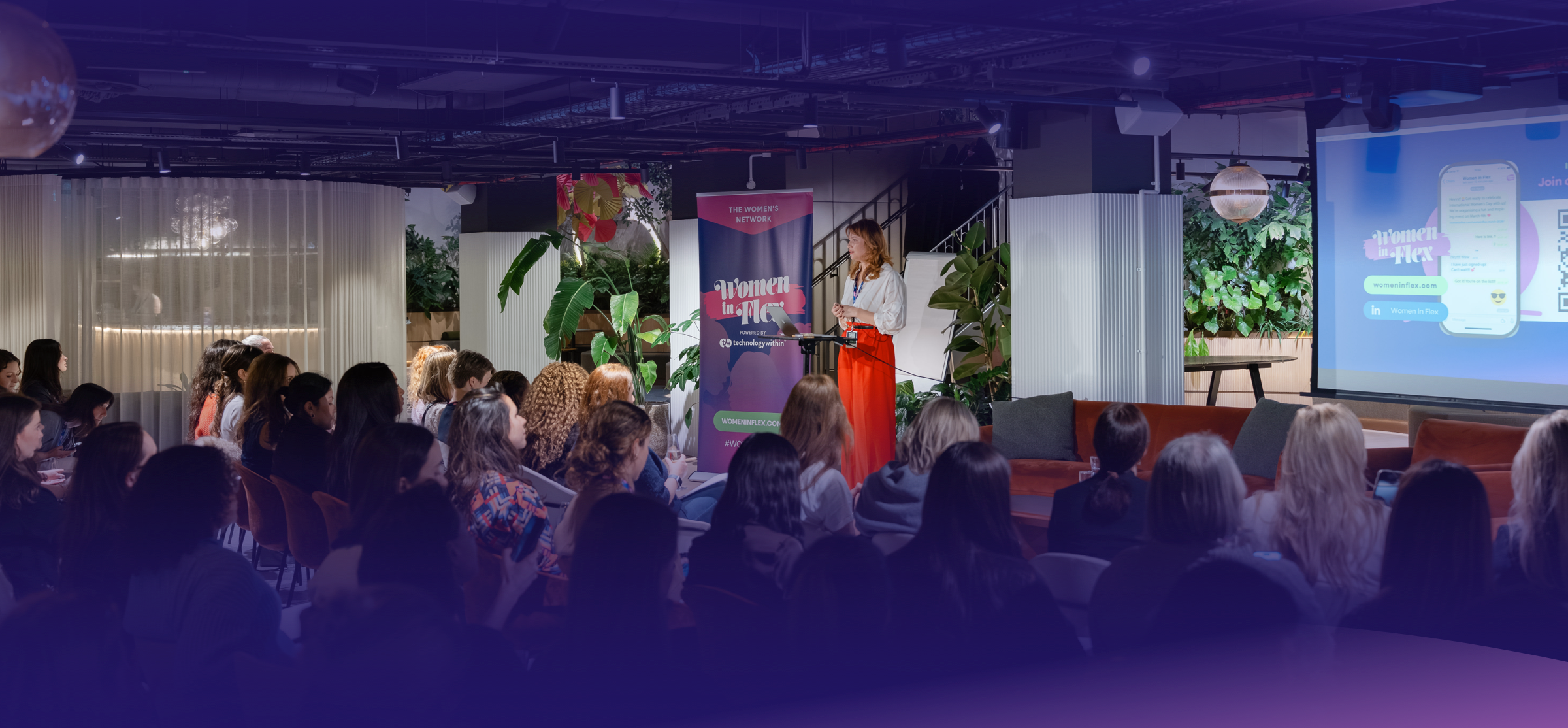
Seeing how other real estate industries create space for female networks, technologywithin launched Women in Flex to bring industry women together for honest conversations, amplifying their voices.
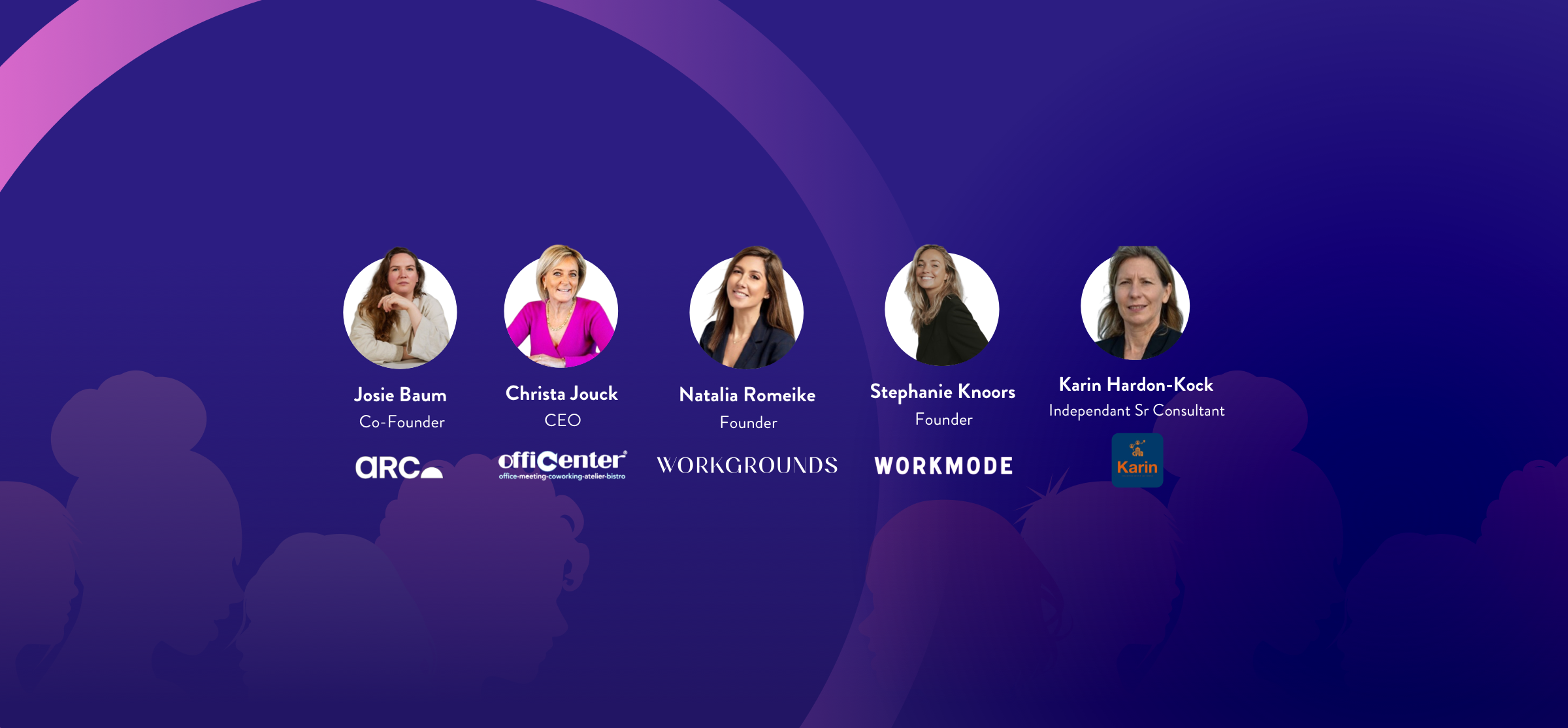
Our most recent webinar on “Ladies Who Launch” featured the following flex entrepreneurs who spoke to moderator Mary Nolan (Director of Marketing, technologywithin) about their inspiring journeys of running a business:
- Stephanie Knoors, Founder of Workmode,
- Karin Hardon-Kock, Independent Senior Consultant
- Natalia Romeike, Founder of Workgrounds
- Josie Baum, Co-Founder of the ARC Club
- Christa Jouck, CEO of the Officenter Group
This piece explores the highs and lows of female entrepreneurship in the flex industry.
The realities of starting a business
Launching a business can seem very exciting, but we often don’t hear about the realities of the early days. From registering your business to setting up a website and sorting out taxes, there are many tasks to undertake first. Josie Baum, co-founder of ARC Club neighbourhood workspaces, advises “setting them all up and getting them out of the way so you can focus on building a product.”
Josie admits that founders are often pulled in different directions. To manage everything effectively, she recommends compartmentalising and time blocking; something Natalia Romeike agrees with, urging entrepreneurs to “learn how to prioritise and focus on what really matters.” Natalia launched Workgrounds in early 2022 to “transform underused properties into beautiful and revenue-generating spaces.”
Karin Hardon-Kock has a similar outlook, doing the things she doesn’t like as soon as she wakes up to get them out of the way. But Karin admits she has more time now that her children have grown up (work and motherhood is a juggle many women face), which gave her the right moment to launch an independent senior consultancy last year, having previously worked for flexible workspace brands, Tribes and Industrious.
In fact, most of the panellists had worked for a company before setting up on their own. Christa Jouck, however, took a different path, having been self-employed since she was 21. Christa launched Officenter 15 years ago, scaling to 15 locations and 46,000 square metres across Belgium. These stories show that entrepreneurship journeys aren’t a one-size-fits-all.
How female leaders are assessed differently from men
Despite taking different paths into entrepreneurship, female-led businesses are sometimes viewed differently from those led by men. For a long time, Josie Baum felt that she was asking for donations rather than investment when raising capital for ARC Club, before taking “a huge confidence shift” to recognise the benefits for investors. However, on one occasion, her co-founder, Hannah, was asked whether her husband does the numbers – a question that a male founder would never get asked.
There’s “massive confidence in knowing the numbers,” explains Josie, but she admits that self-confidence can take time to build. Yet, regardless of gender, “you have to be confident enough to sell to investors,” reckons Christy Jouck, who is surprised to see the flex industry so male-dominated, given that women are naturally suited to the service-led nature of flex and taking care of people. Interestingly, Officenter Group employs 90 women out of a team of 97.
Although opportunities for women are available in the flex industry, only 63% of webinar audience members feel they have access to strong leadership roles. Natalia Romeike reckons that only a third of flex leaders are female. It’s something the industry must work on, especially because when men only spend time with other men, it creates barriers to opportunities, partnerships, and decisions for women, explains Natalia.
Running Workmode, a female-focussed ecosystem of workspaces, events, campaigns, and communities across the Netherlands, Stephanie Knoors has experienced male scepticism firsthand. She discusses moments when the business was seen as the underdog, with men typically not viewing it as a competitor. Still, Stephanie is confident in what she’s building; her message being, “We’ll see you at the finish line.”
Stepping into leadership
The way female-led businesses are often perceived highlights the different expectations placed on women in leadership. Yet, Christa Jouck is sure that female leaders lead differently than men, being “less aggressive, less competitive, more human and understanding.” Our panellists are all leaders, but founding and scaling a business has forced them to see different versions of themselves.
For example, Christa’s leadership has been particularly tested over the last six years, as her company experienced setbacks caused by the pandemic, energy crises and wars. As Christa puts it, “real leadership is revealed in these situations.” Likewise, Stephanie Knoors experienced leadership challenges when she decided to part ways with her company founder last year. It was a difficult decision, which involved Stephanie being honest about what “wasn’t working and knowing the direction of the company.”
Josie Baum was in a similar situation a few years ago when the co-founders decided to close ARC clubs and pivot the business model. Despite the challenges of letting go of staff and losing community members, they recognised it was the only way to succeed. It helped that the community was understanding of their decision.
On a more personal note, Natalia Romeike experienced a leadership reality when she had her daughter, as it slowed down her pace of growth. Although she’s experienced exhaustion from running her business and raising a family, Natalia advises “to keep going even if it’s super slow,” because it’s paid off. Natalia reveals an unglamorous side of entrepreneurship, which is often romanticised, explains Stephanie, who comments how running a business “isn’t just about freedom, it’s about responsibility.” Stepping up is part and parcel of being a leader.
Words of wisdom for the next generation
The panellists had plenty of tips to share about their own experiences. When it comes to inspiring the next generation of women in flex, they each gave one piece of advice:
- “A lot of women are downplaying their ideas. So, if you truly believe in your idea, just do it, and take yourself seriously” – Stephanie Knoors.
- “I’ve learned the most by not being afraid to say if I don’t understand something, and ask for an explanation. That’s how you grow and become an expert in your business” – Christa Jouck.
- “Men can partner up quite easily. They’re finding opportunities, creating products, and I wish that for us a little more. No founder ends up building alone…find your village” – Natalia Romeike.
- “If you’ve got a view on what you want to be building, that you’ll have passion for, and you can see longevity in, and you can see multiple ways to do…do it” – Josie Baum.
- “Think of your network – do you have enough people around you that can support you, who can be your first line of help, or you can share your ideas with?” – Karen Hardon-Kock.
There’s clearly no single path to building a business, particularly in the flex industry. Each of the panellists’ journeys highlights their strengths as female leaders and the value of learning from other women shaping the sector.
Watch the webinar recording to learn more about the stories of women in flex.
Recent articles
Ladies Who Launch: The Women Behind Flex’s Fastest-Growing Businesses
Although the flexible workspace industry talks a lot about growth, scale, and innovation, it rarely discusses the people building businesses.…
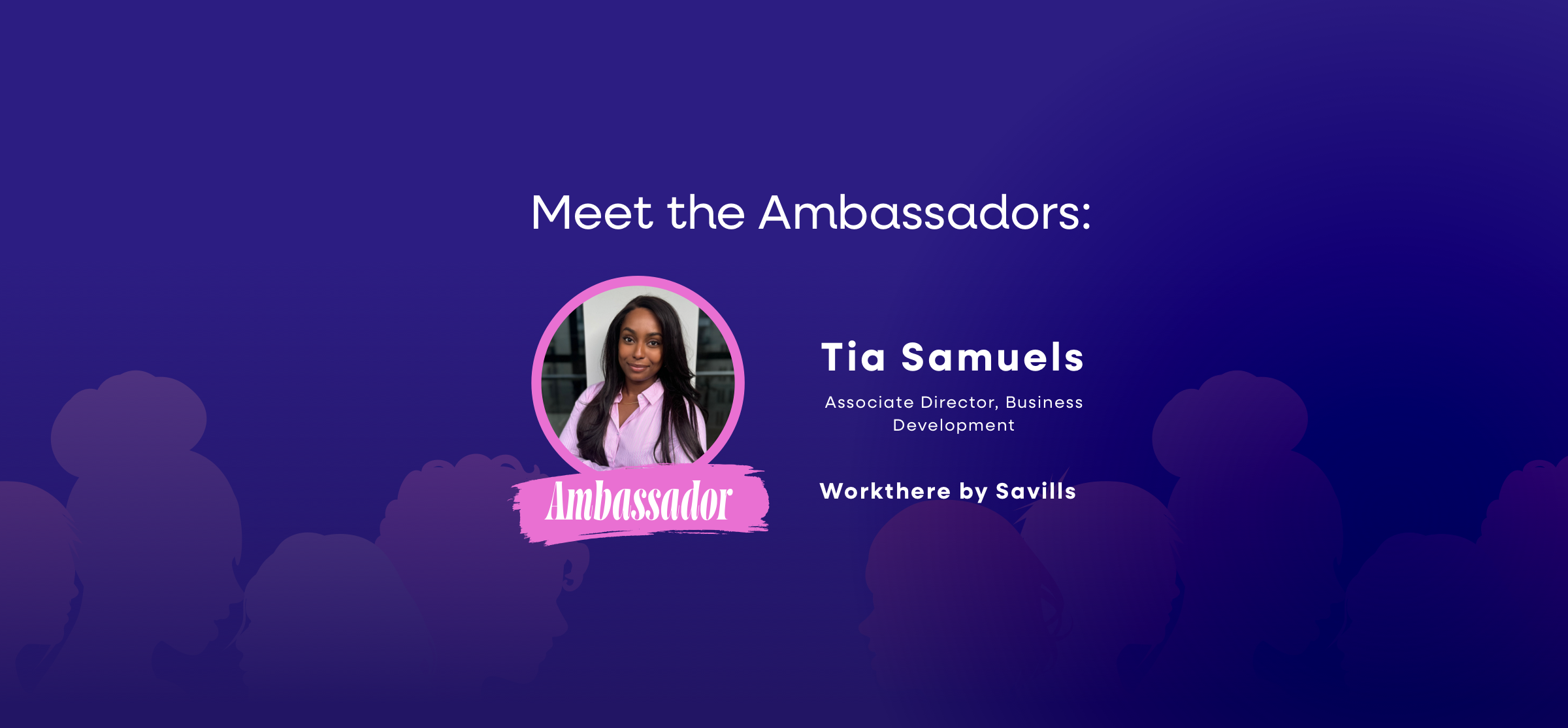
Meet the Ambassador: Tia Samuels
From sports rehabilitation to flexible workspace advisory, Tia’s career journey is proof that leadership rarely follows a straight line. Now…
Out of Spec: Women in Flex Who Don’t Fit the Mould
The flexible workspace industry prides itself on inclusivity, but gender stereotypes, expectations around women in leadership, and feelings of inadequacy…