The flexible workspace industry prides itself on inclusivity, but gender stereotypes, expectations around women in leadership, and feelings of inadequacy (hello, imposter syndrome) continue to impact women in flex and other industries.
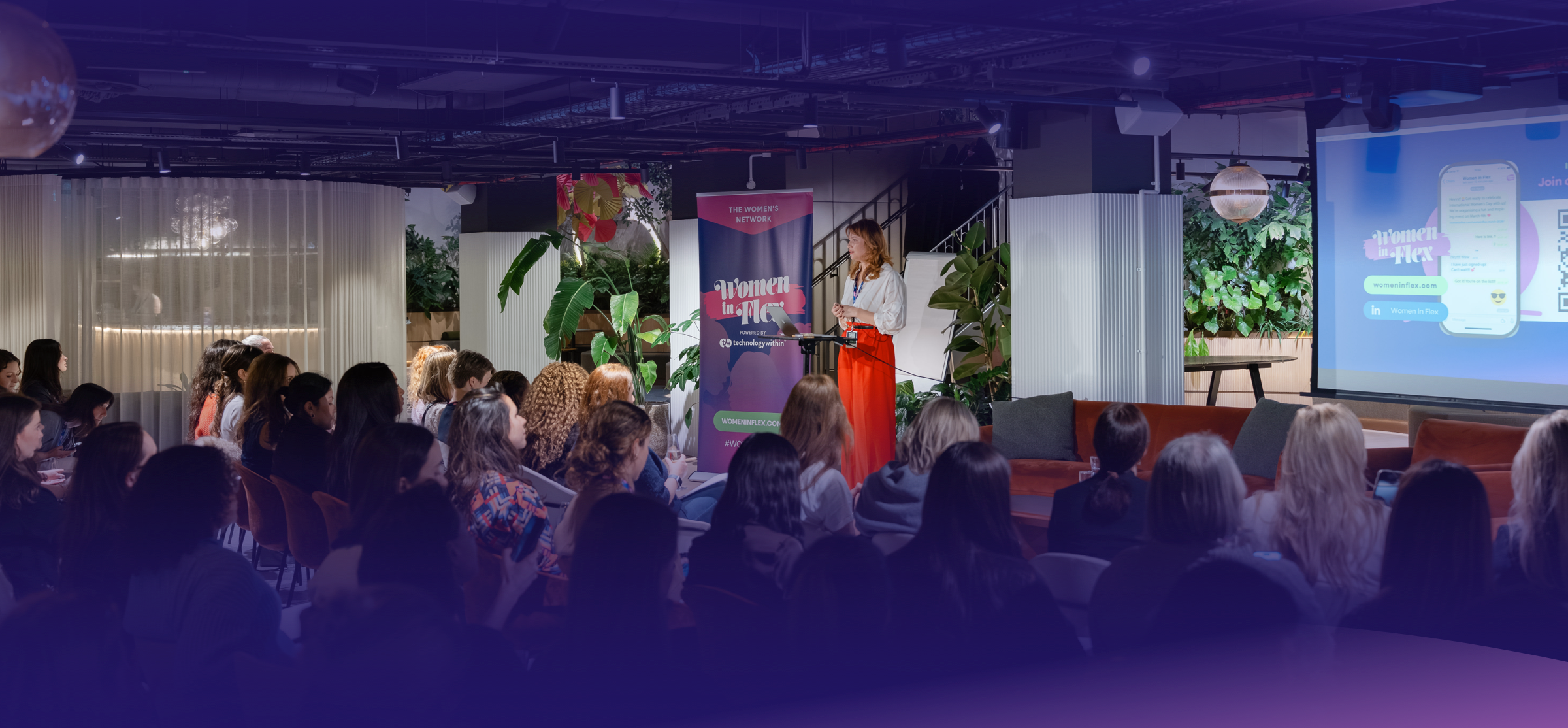
We launched Women in Flex to create space for honest conversations and to amplify the voices of women working in the flex sector. Our latest event, taking place at Uncommon Holborn in the lead-up to International Women’s Day 2026, brought this mission to life.
Ex-BBC reporter, Briar Keen, led an inspiring workshop on owning the room and communicating with confidence, setting the stage for a panel on women in flex who don’t fit the mould. Moderating the discussion, Mary Nolan, Director of Marketing, technologywithin, was joined by the following panellists:
- Alex Young, Managing Director, Projects
- Zoe Dhliwayo, CEO & Founder, Quest360
- Gosia Jacygrad, Head of Marketing, Uncommon
- Shannon Burke, Chief Executive Officer, managed.
- Rebekah Lloyd-Beere, Head of Flex Workspace, MediaCity
Here is what they had to say.
Moments that feel ‘out of spec’
The leadership model doesn’t fit everyone, but the panellists had all experienced moments in their careers where they felt ‘out of spec,’ often because of expectations placed on them by others.
Having experienced times when she was the only woman in a meeting, Shannon Burke points out that “everyone has sat in one meeting where you’ve felt out of place or not listened to because you’re a woman.” Similarly, Rebekah Lloyd-Beere describes a previous company she’s worked for as a “boys club,” and Alex Young has felt overlooked in her role when visitors come in for tours and expect to be greeted by someone else, despite Alex being the managing director at Projects.
For some, the pressure to conform ran deeper. As examples, Rebekah, who is from Wigan, and Zoe Dhliwayo, from South Africa, were made to feel self-conscious about their accents, which they actively tried to soften to fit in. But it’s not just about accents – for many years, Shannon Burke felt that she was “performing” in professional settings, and kept her sexuality hidden from others. Similarly, a male coworker of Rebekah chose his profile picture because he looked straight and felt he would receive greater respect for it. For Rebekah, “that was heartbreaking.”
Although the panellists at times felt ‘out of spec’ during their careers, they eventually stopped fighting the model and began leading as their authentic selves. However, they admit it took time to reach that point.
Challenging gender stereotypes
Women in the workplace tend to receive greater scrutiny than men, especially from male leaders. Rebekah Lloyd-Beere shared a difficult story about a previous manager, who used patronising comments about her performance. Working her way up from a 24-year-old in reception to heading up her business area at 34 was a hard process for Rebekah, which “took proving myself endlessly to different people.”
Rebekah’s experience exemplifies that women can often receive feedback that a man in their position wouldn’t. Likewise, Alex Young has been criticised for being too close to her team despite her belief that a happy team spreads good energy to members. After all, she comments, “this is a people-focussed industry.” Historically, men view personality traits, like being bubbly and empathetic, as weaknesses, but we’d argue they’re well-suited to the flex industry and make us better leaders. In fact, Rebekah frames empathy as one of her biggest strengths, arguing: “How can you not have empathy when you’re working with people?”
But the reality is that gender stereotypes can force women to tone down parts of themselves, rather than bring their entire selves to work. Zoe Dhliwayo experienced this while working in the finance industry. With a personality that’s the complete opposite of the strict and reserved nature of finance, Zoe found bringing her whole self to work a “constant battle.” Now working in flex, she praises the coworking industry as much more accepting, with flexibility particularly supportive for Zoe, whose third child is autistic and requires additional caregiving that she fits around work.
Raising children has given Zoe a better understanding of “what it means to accommodate for disabilities,” urging others to be mindful of what others are going through and to lead with compassion. Alex Young agrees, advising women to “be advocates for yourself, and those around you, whether they’re other women or people with more divergent situations.” The panellists shouted out women who’ve inspired them, with Gosia Jacygrad and Rebekah sharing how female leaders and mentors have encouraged them along their journeys.
The double standards women face
Despite working women having access to more opportunities today, we still live in a world with distinct differences between the male and female experiences. To explore this further, we asked the audience whether they’ve ever been called too direct, emotional, loud, aggressive, or sensitive. Unsurprisingly, everyone raised their hand.
Zoe Dhliwayo has experienced this firsthand after taking a finance manager role previously held by a man. The role required pushing the team to meet target-driven deadlines, something Zoe’s predecessor was rewarded for. But when Zoe did the same, she was criticised by male peers as being ‘aggressive, intimidating, and angry.’ Her experience highlights the double standard women often face in leadership, where traits like assertiveness are criticised in women but celebrated in men.
Similarly, Gosia Jacygrad’s decision to return to work following her daughter’s birth was met with criticism. Yet her partner, who wanted an extra day with their baby, “has been receiving so much praise for doing something women do day in, day out.” Gosia points out that women are expected to be great leaders, mothers, or sisters, but often don’t receive direct recognition.
Gender expectations can also shape how women present themselves professionally. Alex Young notes that many women are less comfortable promoting their achievements, while men are often encouraged to be more vocal about their successes. Likewise, Shannon Burke argues that this imbalance is reflected at the top of the industry, where leadership roles are still largely held by men and, in many cases, men are paid more than women for doing the same job. Shannon calls for increasing representation, encouraging women to “find a female role model who inspires you,” and to carve your own path.
Advice for women who don’t fit the mould
We closed by asking the panel what they’d say to other women who feel they don’t fit the model. They answered:
- “If you don’t fit the model, just reinvent it” – Gosia Jacygrad.
- “Don’t look at what you need to fit in, but think about where it’s going to go. And if you want to go somewhere…then you deserve to be there” – Alex Young.
- “Stop trying to fit the model because you can find a model that fits you” – Shannon Burke.
- “Be comfortable with who you are, and they’ll learn how great you are and good at your job” – Rebekah Lloyd-Beere.
- “Go where you’re celebrated, not tolerated” – Zoe Dhliwayo.
Recent articles
Out of Spec: Women in Flex Who Don’t Fit the Mould
The flexible workspace industry prides itself on inclusivity, but gender stereotypes, expectations around women in leadership, and feelings of inadequacy…
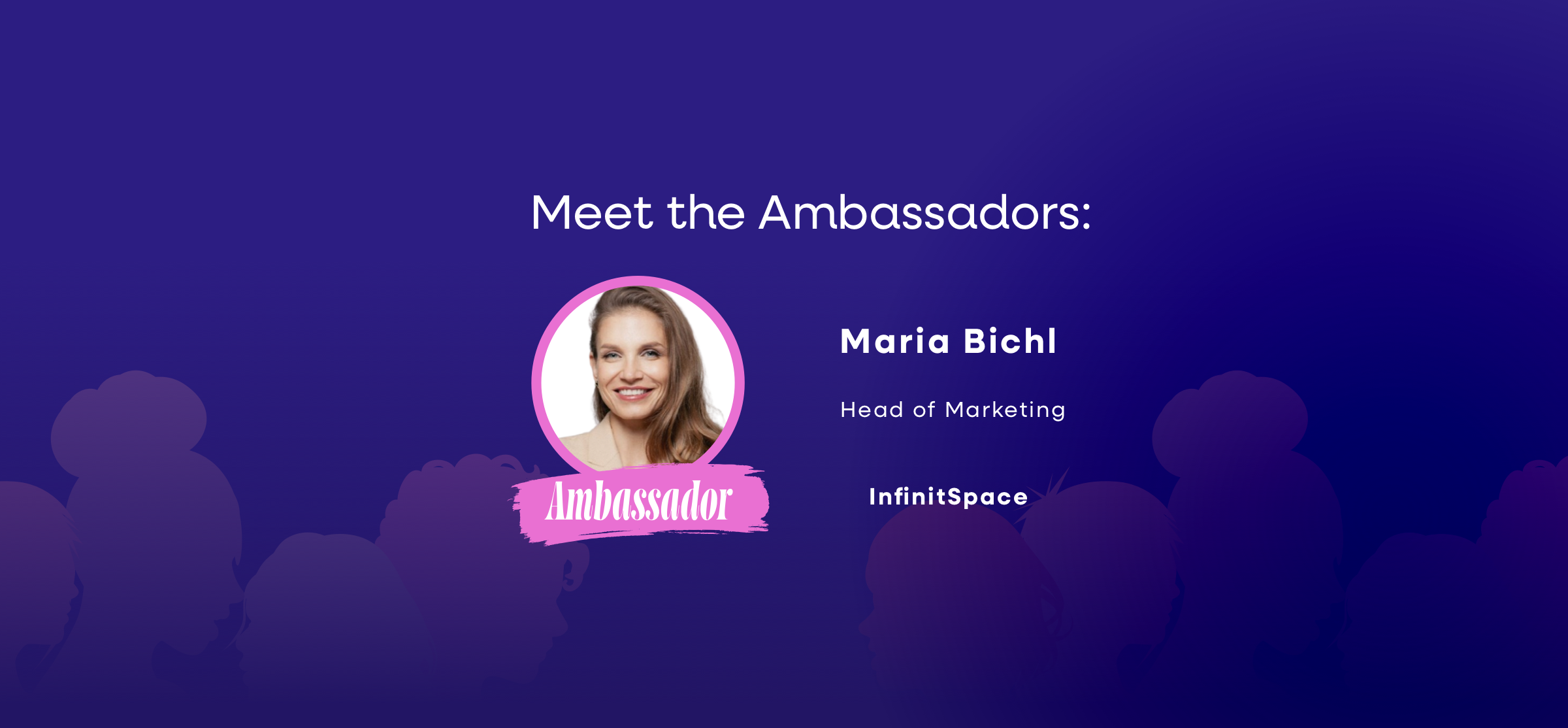
Meet the Ambassador: Maria Bichl
With more than 15 years of international marketing experience across hospitality, tech, and real estate, Maria brings a unique blend…
You Don’t Need All the Answers: Women in Flex on What Great Leadership Actually Looks Like
Leadership is one of those words that gets used constantly but defined rarely. It shows up on LinkedIn profiles, in…