In an industry that never really switches off, work-life balance can feel less like a goal and more like a moving target. The demands are real, the pace is relentless, and the pressure to always be available is something many women in flex know all too well.
But the women in our community aren’t chasing perfection. They’re building something more sustainable: an intentional approach to protecting their energy, setting boundaries, and making sure their personal lives don’t become an afterthought. Here’s what’s actually working for them.
Trust Is the Foundation
Before boundaries can be set, trust has to be established, with your team, your company, and yourself. Several women in the community pointed to trust as the thing that makes genuine balance possible in the first place.

Marije Kruis
“I get an enormous amount of energy from my work; for me, it’s all about the ‘work hard, play hard’ mentality. In our fast-paced industry, I’m basically always reachable, but I’ve learned that balance comes from trust and clear priorities. Because I can rely on amazing colleagues and a solid CRM system, I can hand over my responsibilities with peace of mind and truly unplug during my time off. A tight schedule, communicating effectively, and daring to say ‘no’ every once in a while also definitely helps!”
Marije Kruis

Maleen Schönfeldt
“Throughout my career, I have often noticed an unspoken expectation. If I wanted freedom in how I managed my time in order to balance work and personal life, I was also expected to be available at all times. One of the first steps I take to maintain a healthy work-life balance is to align my own expectations with those of the company and set clear boundaries based on that understanding. I find that a healthy balance is based on trust, the company’s trust that I will fulfill my responsibilities and my trust that flexibility is truly supported. With this foundation in place, boundaries are easier to set, they are generally accepted, and often even encouraged. Scheduling time for focused work and “me time” in my calendar helps me make this balance tangible. I consider time spent with my family, friends, or doing sports to be a real commitment.”
Maleen Schönfeldt
What both women describe is a shift in mindset: from balance as something you’re granted, to something you actively negotiate and protect. That shift starts with trust and it opens the door to everything else.
Small Rituals, Big Impact
For others, balance isn’t found in sweeping structural changes, it’s built through small, deliberate rituals that create a clear line between work mode and everything else. The commute. The gym class. The uninterrupted coffee. These moments might seem minor, but repeated daily, they create a rhythm that keeps burnout at bay.
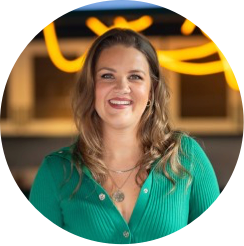
Georgia Salter-Randall
“Maintaining a healthy work–life balance is something I approach with intention rather than perfection, especially in the design (& flex) industry where workloads and priorities naturally ebb and flow. I try to use my commute as a transition point to switch out of “work mode” and focus on something for myself. I’ve learnt to recognise that balance doesn’t always mean equal time perfectly divided between work and life, instead it’s about being aware of when work demands more of you and making space to recharge when things ease again. It’s about ensuring that one isn’t consistently carrying more of the physical or mental load than the other. When things start to feel heavier on the work side, I make a conscious effort to restore that balance by carving out small, intentional pockets of time just for myself. Small, simple things that help me to reset, recharge and show up with more energy in both my professional and personal life.”
Georgia Salter-Randall
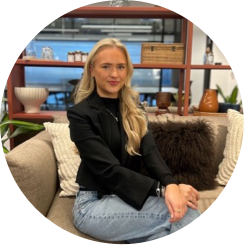
Emily Nellist
“For me it’s about being intentional with my time. I try to stay organised during the week and do some forward planning on a Friday for the week ahead, which helps me properly switch off over the weekend. Making time for my personal life and allowing me to recharge and come back to work feeling energised and creative.”
Emily Nellist
The thread running through both perspectives is intentionality. Not waiting for a quieter week to finally take a breath, but actively building in the moments that make rest possible.
Protecting What Matters Outside of Work
Rituals create structure, but what really anchors balance is having something meaningful to switch off for. Family, friends, a holiday on the horizon, or even the dog waiting at home. When there’s something real pulling you away from work, stepping away becomes easier and more purposeful.
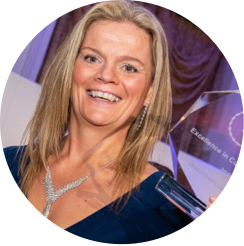
Kate Holt
“When it comes to maintaining a healthy work-life balance, my go-to strategy is to make sure that I make time for me and to spend time with my family and friends….including the dog of course! Making sure that the time is spent well – recharging the batteries – but also doing things that are enjoyable and make me and those around me happy. Holidays are also key – always having a trip to look forward to…and making fantastic memories. In terms of setting boundaries between work and personal life – working from the office is a key driver in this. Having great office space and the right environment to work in – means that when the laptop closes at the end of the day…..the commute back home gives the opportunity to wind down…..perhaps listen to a podcast – and then when I get home I can focus on my home life. I am not saying I am perfect at it – but it works more often than not.”
Kate Holt
Things Worth Trying
Stop waiting for a quieter week. These five habits are worth building now:
- Align expectations early. Have an honest conversation with your employer about what flexibility really means.
- Block personal time in your calendar. Treat family dinners, gym classes, and downtime as real commitments, not things to reschedule when work gets busy.
- Create a ritual. Use your commute, a walk, or even a cup of tea to mark the shift from work mode to home mode.
- Plan ahead on Fridays. A few minutes of forward planning before the weekend can make it much easier to properly switch off.
- Have something to look forward to. A trip, family-time, a regular catch-up with friends — having something on the horizon makes protecting your personal time feel worthwhile.
Balance doesn’t arrive fully formed. It’s built through trust, sustained by small daily rituals, and given real meaning by the people and things that matter most outside of work. None of the women here claim to have it perfectly figured out, but all of them are making intentional choices to protect it. That, in the end, might be the whole point.
Recent articles
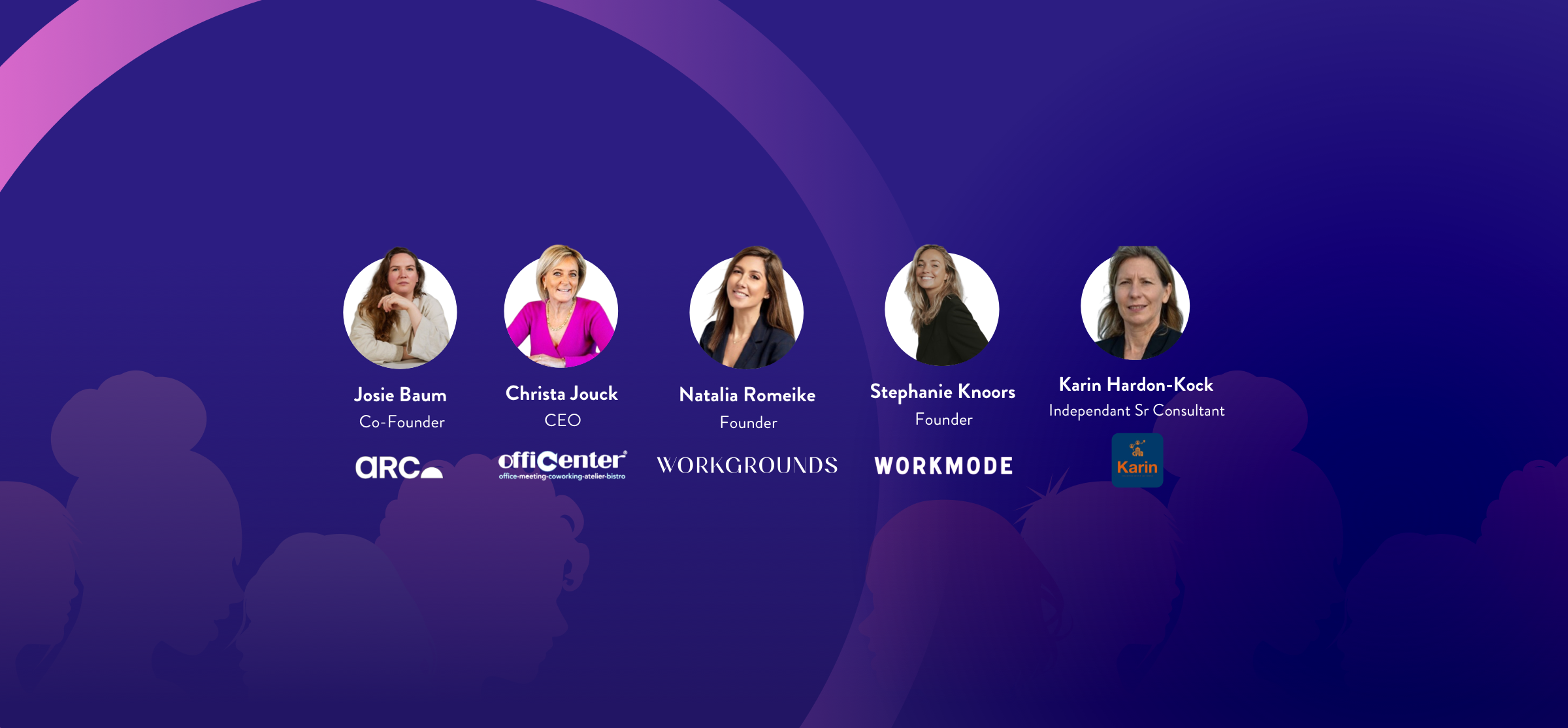
Ladies Who Launch: The Women Behind Flex’s Fastest-Growing Businesses
Although the flexible workspace industry talks a lot about growth, scale, and innovation, it rarely discusses the people building businesses.…
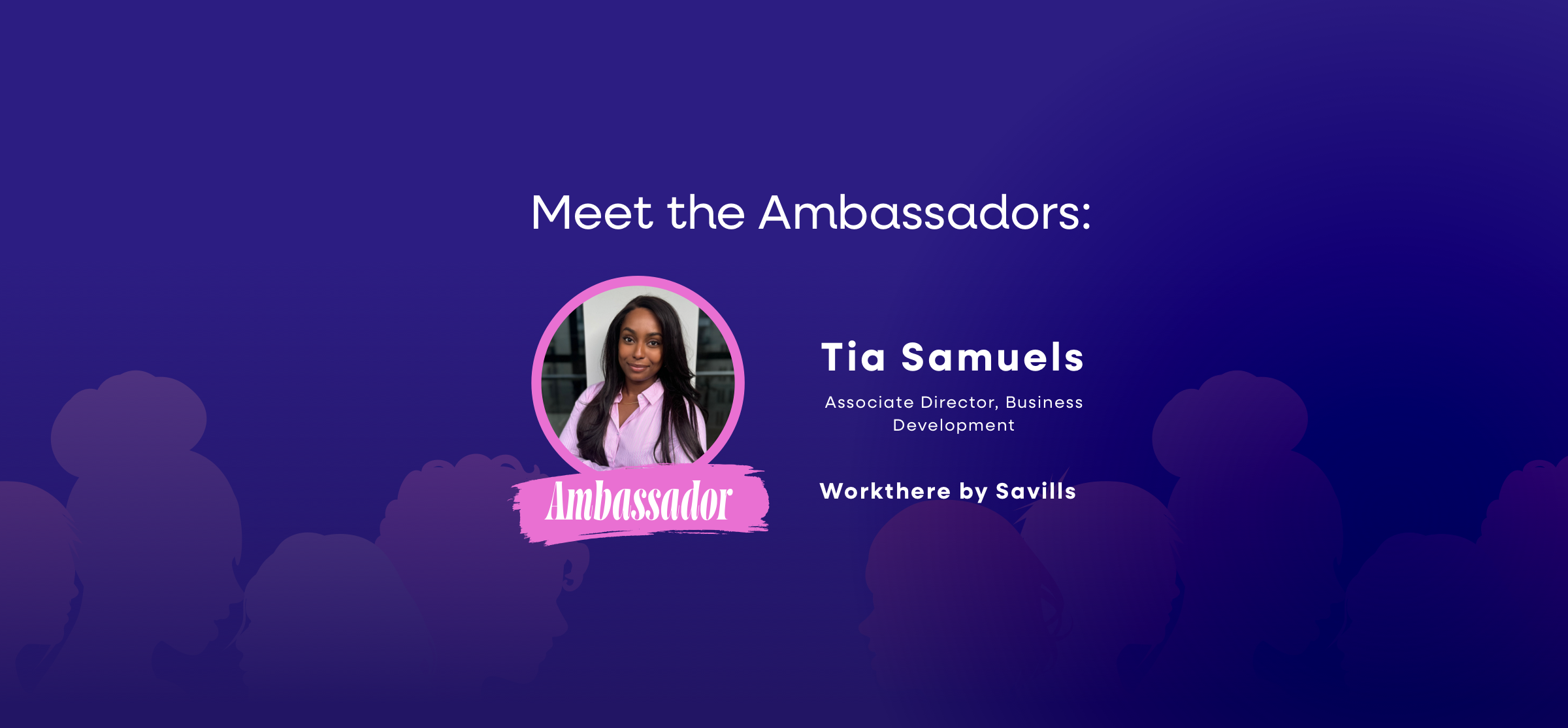
Meet the Ambassador: Tia Samuels
From sports rehabilitation to flexible workspace advisory, Tia’s career journey is proof that leadership rarely follows a straight line. Now…
Out of Spec: Women in Flex Who Don’t Fit the Mould
The flexible workspace industry prides itself on inclusivity, but gender stereotypes, expectations around women in leadership, and feelings of inadequacy…