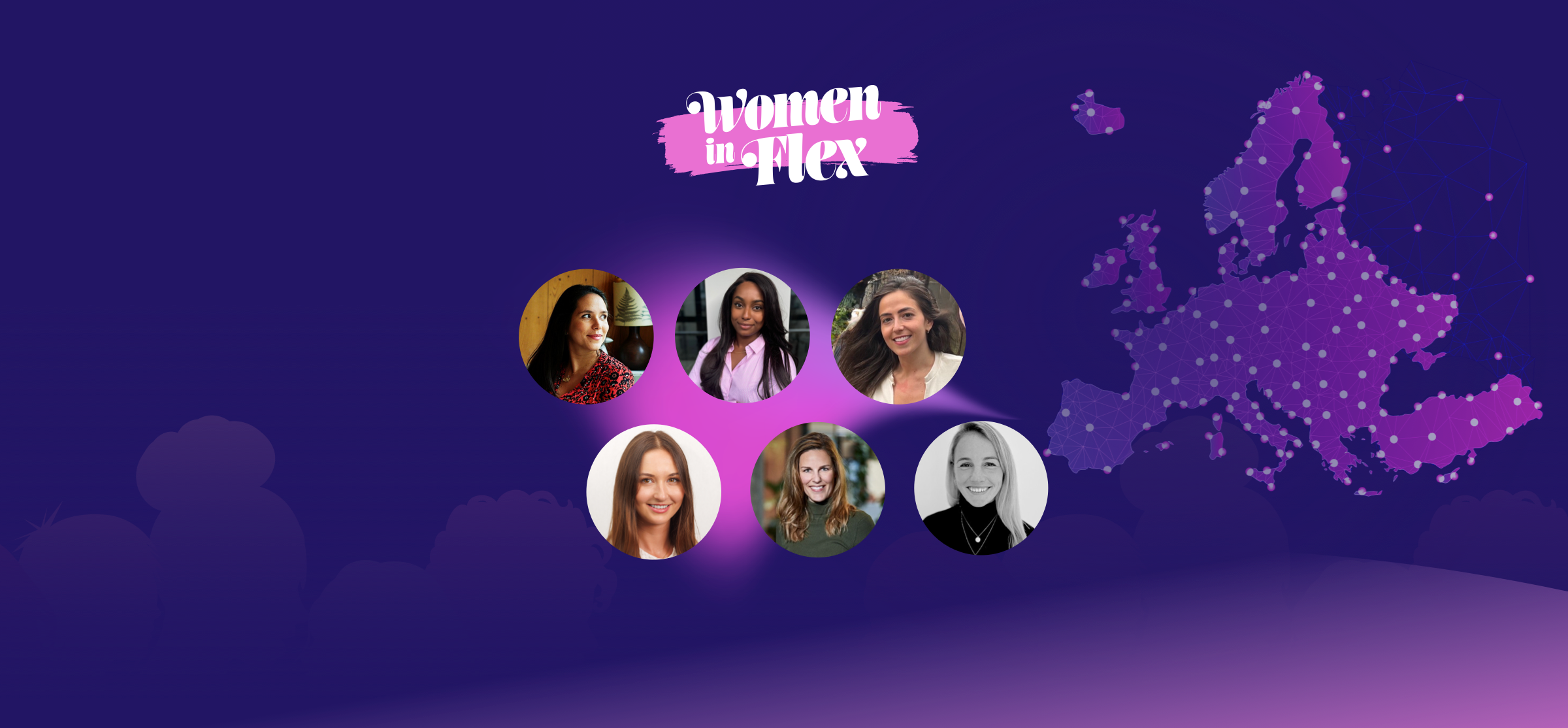
Self-doubt can creep in at any stage of a career, particularly in industries where women are still underrepresented in leadership roles. We asked women across the flexible workspace industry how they’ve faced imposter syndrome, what helped them push through it, and what they’d tell others who are struggling with self doubt. Their answers are honest, practical, and, if you’re sitting with self-doubt right now, probably exactly what you need to hear.
Recognise the Doubt, Then Question It
Not all self-doubt carries the same weight. One of the most overlooked aspects of imposter syndrome is learning to distinguish between doubt that comes from within and doubt shaped by the environment around you. They can feel almost identical, but they mean very different things. Developing the awareness to tell the difference is a skill in itself and one that takes time to build.
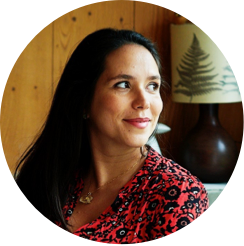
Joanna Conceicao
“I generally feel confident in my skills and experience. That said, there are times when other people’s attitudes or behaviours can trigger a bit of anxiety or self‑questioning. For me, that feels less like imposter syndrome and more like reacting to external dynamics. I find it helpful to remind myself of the experience, preparation and results that have built my confidence over the years. When struggling with self‑doubt, my advice is to pause and ask: is this coming from me, or from the environment I’m in?”
Joanna Conceicao
Imposter syndrome is often framed as a personal failing or something to fix internally. But sometimes the issue isn’t you, it’s the environment e.g. being one of the only women in the room changes the dynamic. Naming that difference doesn’t make the discomfort disappear, but it does stop you from internalising something that was never yours to carry.
Take Up Space Without Explaining Yourself
For many women in business, imposter syndrome manifests not just as internal doubt but as a habit of over-justifying: offering too much context, hedging opinions, waiting to be invited to contribute. The antidote, several women suggested, is less about building confidence and more about unlearning the instinct to shrink.

Sophie Greenberg
“I can’t say I’ve personally experienced imposter syndrome, but I’ve watched it hold back some of the most talented people I know, and that’s what sticks with me. If you’re sitting there wondering whether you’re good enough, chances are you absolutely are. Stop waiting for permission to back yourself. Own what you’ve achieved, trust your gut, and know that pretty much everyone is figuring it out as they go!”
Sophie Greenberg

Tia Samuels
“Learning to take up space without over-explaining why you deserve to be there. As a woman in the flex, you’re often still the minority in the room. Being confident, concise, and trusting that your perspective holds value without justifying your presence is one of the most powerful things you can practice. Own your voice early. You don’t need permission to contribute or to lead. The sooner you trust your own perspective, the sooner others will too.”
Tia Samuels
The takeaway? Confidence isn’t something you wait for, it’s something you choose.
Confidence Comes From Action
Confidence doesn’t always arrive before the work begins, sometimes it builds quietly through it. Rather than waiting to feel ready before acting, build up your confidence incrementally through showing up consistently, preparing thoroughly, and accumulating evidence of your own competence over time. Preparation is the most reliable ways to quiet the inner critic.

Sogol Joudi
“What helped me most was reminding myself that those feelings are more common than we think, and that preparation really does make a difference. When you take the time to truly familiarise yourself with your product and what you’re talking about, that confidence naturally starts to build and the self-doubt fades. My advice to anyone struggling with imposter syndrome is to keep showing up, trust the experience you’ve built, and focus on the value you bring. More often than not, you’re in the room for a reason—even if it takes a little time to fully believe it yourself.”
Sogol Joudi

Phoebe Reilly
“My advice would be to surround yourself with people who support and champion you – strong leaders, mentors and colleagues you genuinely look up to. Over time, as you build credibility through your work and consistency, you’ll find respect follows. As women, it can sometimes feel like that recognition takes longer but it’s important to stay focused on your own path and growth. Don’t be afraid to put yourself in uncomfortable situations – stepping outside your comfort zone is where real growth happens.”
Phoebe Reilly
Discomfort, these women suggest, is not a warning to stop but a signal that you’re moving. Feeling uncertain means you’re pushing into territory you haven’t mapped yet. That’s not a reason to retreat. That’s exactly where growth happens.
Reframe Failure as Information
Growth requires mistakes. But imposter syndrome often makes failure feel disproportionately dangerous. As though one wrong step confirms the quiet suspicion that you were never supposed to be in the room.

Robin Senne
“I think every professional, whether man or woman, experiences moments of insecurity at work and doesn’t want to fail. What matters is reminding yourself continuously that mistakes are part of innovation — you often learn more from them than from getting everything right the first time. When you do run into a failure or make a mistake, I always ask myself one question: Did you do everything you could to prevent it? If the answer is yes, then you’re allowed to feel bad about it for one day. After that, it’s time to pick yourself up, look at how we can solve it, and move forward. Giving up is not an option.”
Robin Senne

Poppy Barker
“I’ve definitely experienced imposter syndrome, particularly when starting a new role or taking on responsibilities that pushed me outside my comfort zone. At times, I felt like I wasn’t as knowledgeable or experienced as those around me. What helped me overcome it was shifting my focus from perfection to growth and reminding myself that no one is expected to know everything right away. I also found it valuable to seek feedback and mentorship from colleagues, which provided guidance, reassurance, and helped me build confidence in my abilities.”
Poppy Barker
The Takeaway
Whether it’s stepping into a new role, navigating the wrong room, making a visible mistake, or quietly battling self-doubt, the response is the same: keep moving, keep preparing, and stop waiting to feel confident before you act.
Self-belief isn’t something you either have or you don’t. It’s something you build. And more often than not, it’s built by the people who had every reason to doubt themselves and chose to move forward anyway.
Recent articles
Ladies Who Launch: The Women Behind Flex’s Fastest-Growing Businesses
Although the flexible workspace industry talks a lot about growth, scale, and innovation, it rarely discusses the people building businesses.…
Meet the Ambassador: Tia Samuels
From sports rehabilitation to flexible workspace advisory, Tia’s career journey is proof that leadership rarely follows a straight line. Now…
Out of Spec: Women in Flex Who Don’t Fit the Mould
The flexible workspace industry prides itself on inclusivity, but gender stereotypes, expectations around women in leadership, and feelings of inadequacy…